What you really need.
How to introduce an F1 queen

- First of all check that the colony is queenless.
- New nuc: introduce the queen the same day or the day after. Replacement: remove the old queen and introduce the new one straight away.
- How: remove the tab from the candy of the cage, then place the cage on top of the frames, between two brood frames.
- After 5–6 days check that the queen has been released. If she is still caged, open it yourself and release her.
- In the meantime open the colony as little as possible and do not judge the introduction too early.
Very aggressive colony? Remove the attendants from the cage.
Preparing for on-site insemination
What to prepare before insemination day, counting backwards.
- 40–42 days before: put a drone comb in the drone hive, next to a worker brood comb, and check that it is laid in within 48 hours.
- 19–20 days before: grafting for queen cells.
- 10 days after laying: the drones are capped. They stay in the hive with the grid at the entrance, or move to a drone bank.
- Virgins aged 7–10 days: the age with the best results.
- CO₂ anaesthesia: the day before with queen cells, the same day with virgins emerged in the incubator.
- After insemination: one week without disturbing the queens. Laying starts between 4 and 21 days.
A well-populated drone hive is enough on average for about 20 queens: for 40 queens you need at least two. Bees and equipment must be close to the insemination site.
Download the full guide (PDF)How to introduce an F0 queen
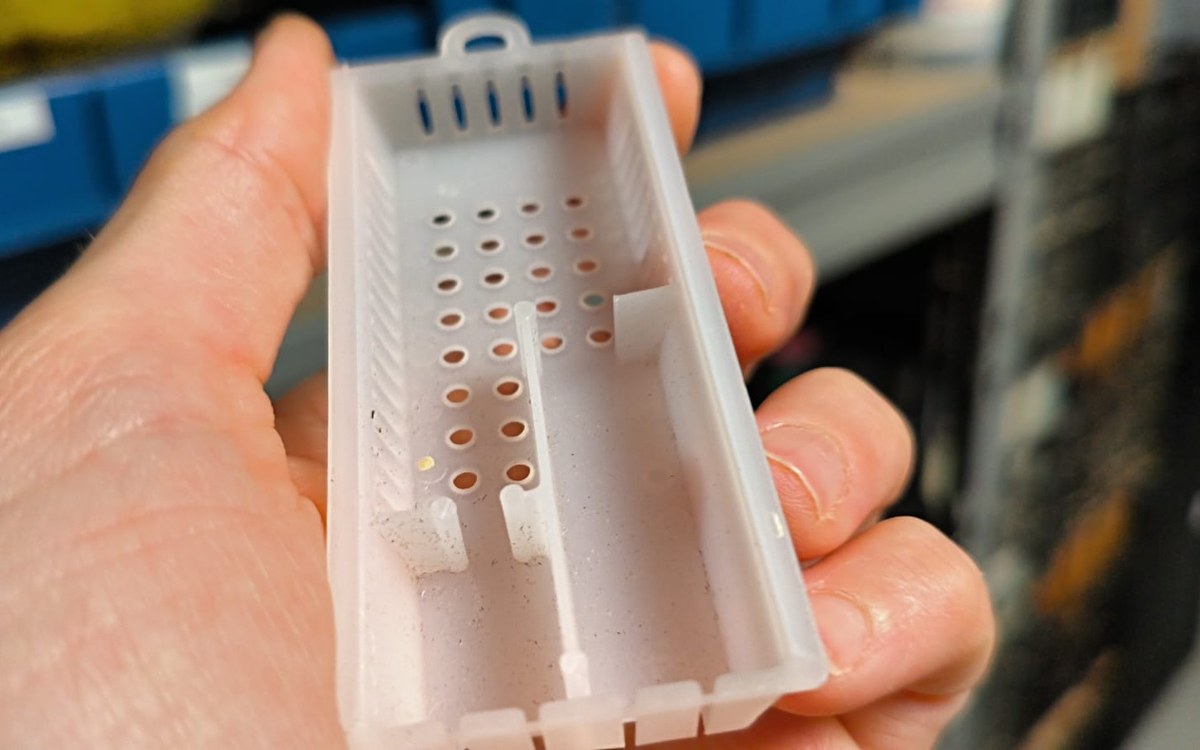
The queen arrives ready to be introduced, in a two-way cage. The first way, the smaller compartment, lets only workers through; the second, the larger compartment, lets the queen through too. There are three methods: the colony preparation changes, the check the next day is the same.
The safest.
- Leave the colony queenless for 9 days.
- Carefully destroy all emergency queen cells.
- Place the cage with the first way open.
An excellent compromise.
- Make a new nuc in the same apiary with three frames covered in bees, each from a different colony: a frame of capped emerging brood, a second identical frame and a frame of stores.
- Shake into the new nuc 2 more frames of young bees, from yet another colony.
- Place it in a different spot from where the brood came from.
- After 5–6 hours check that the nuc has not emptied and that there are enough bees to accept the queen, then place the cage with the first way open.
The fastest, but less safe.
- Remove the queen from a normal colony.
- Place the cage with the first way open.
Open the second way, the one that lets the queen through. After 7–10 days check the laying.
Look for the problem: there may be a queen or a virgin, or a forgotten queen cell. Fix it and check again the next day: the second way is opened only when the cage is full of workers from the colony.
Do not open the second way if there are not many workers from the colony in the cage.
A few emails a year: season opening, availability and courses.